Tuesday, November 27, 2018

Final Reflection


 Image result for elevator pitch


1. Looking back on this semester, the worst tasks had to be the Venture Concepts and the Interviews. I felt they were incredibly tedious and somewhat repetitive. I understood the purpose of the assignments the first time trough, and did not require another attempt at them. Additionally, the weekly quizzes never really reflected the material we learned. I felt as if the questions, for the most part, were just random tidbits of information pulled from the lectures that easily could go by without paying very, very close attention.

2. The experience I'll remember the most is the Elevator Pitches. They were a useful exercise that actually helped me to realize what I tend to do when speaking publicly, and how to refrain from saying too much or too little. I noticed a clear improvement from the first attempt to the last.

3. I still don't think like an entrepreneur, simply because I do not like taking risks. Entrepreneurs are betting on themselves and their optimism for their ideas, and I simply do not possess that attitude.

4. For future students in this course, I would emphasize creating a schedule and sticking to it. There are so many individual assignments over the semester and they can pile up quickly. It is important to get ahead of the assignments to give yourself some breathing room. As far as the quizzes go, I would advise writing down almost every single thing that is said in the lectures, because the questions are often random tidbits of information that can easily go unnoticed.

Venture Concept #2

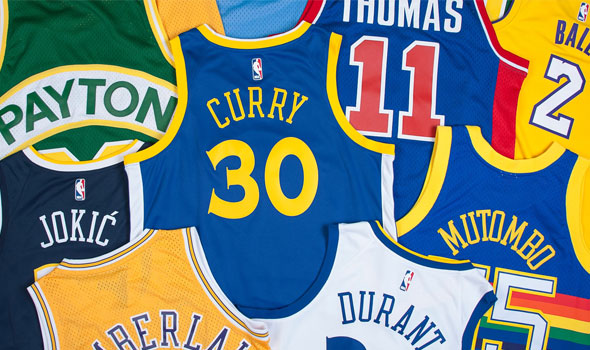
Image result for sports jerseys 
Opportunity
               I believe that the jersey and sports apparel industry has been severely under-served since its inception. There are many existing problems with the current market: 
  1. The professional leagues have their own websites that are the most popular shopping outlet for apparel. Unfortunately, the leagues recognize this and have set ludicrous prices on their gear, taking every last penny from loyal consumers.
  2. The second problem that many people run in to is the difficulty of selecting a jersey. The most common issues here are:
1.       Which player and team do I want to commit hundreds of dollars toward supporting?
2.       How do I know this player will still be on the team in the future? Is this a sound investment?
If your favorite player gets traded, retires, or gets injured the week after you bought his jersey, you are going to be pretty disappointed. Currently, distributors and manufacturers have offered no solution for this problem.
               My solution would cater to every class and group of people, but it would mainly target kids, teens, and young adults who are unable to afford jerseys that cost hundreds of dollars. This market is unmet around the world, but my proposal would begin focusing on North America, where gambling, fantasy sports, and general fandom is most popular. The consumers in my targeted market are unable to satisfy their needs without significant financial support, therefore they are also disloyal to the current outlets. This opportunity is potentially worth hundreds of millions of dollars, if not more. Unfortunately, the window of opportunity will be closing in the near future, as jersey-rental companies are beginning to grow. 
Innovation
               My proposed solution for this opportunity is a jersey-rental company called JerseyPro. Instead of purchasing jerseys outright for hundreds of dollars, allow members to subscribe to a monthly payment plan, at more affordable prices. I would estimate the base-package at around $10 to $15 per month. This price is comparable, if not cheaper than the $150 jerseys that the NFL sells.
               This idea would prioritize convenience and customer satisfaction. The factor that separates my idea from existing competition is allowing members to exchange jerseys whenever they want. The base subscription would give members two jerseys, to keep as long as they want. With quick, two-day shipping, we will get our gear in the hands of our members as quickly as possible. Members can send back their jerseys whenever they want in exchange for two new jerseys.  
               Additionally, other membership options are available including Family Plans, Flex Packages, and Student Plans.
Venture Concept
               This concept has no major risks for customers. We have eliminated the risk of investing in a player that changes teams or retires, rendering the jersey useless. We have eliminated the full-time risk of paying an arm and a leg for a jersey directly from the professional leagues. Another added factor is the customers who want to constantly have the most recent jerseys of new players, including rookies and superstars. Jerseys are a common fashion statement and are popular at parties and other social gatherings. This proposal would perfectly cater to those who need a jersey as quickly as possible and under budget.
               This business is defined by the price points, distribution, and the customer experience. Getting our jerseys in to the hands of the members is our most important responsibility, while maintaining a lower price than the greedy leagues can offer. This business would grow rapidly and would need at least 200 employees to effectively serve North America. Roles include Marketing, Sales, Customer Support, Inventory and Distribution.  
Three Minor Elements
1.       Our advantage over the competition is our knowledge of our consumers. This idea came to me as I was shopping for a jersey for myself, and was unsatisfied by the existing mode of shopping. I hated spending $150 for one jersey, only to see the player traded the next month. I was then stuck with a jersey that had little to no value. I wanted to be able to have access to any jersey I wanted, at all times. We have access to an essentially unlimited focus group, myself and my peers. Everyone I have talked to has voiced the same concerns and frustrations that I have. The professional leagues are only concerned with turning a profit and have not stopped to listen to their customers.
2.       The next step for this venture would be to acquire capital in order to begin building an inventory of jerseys. This will take a lot of pitching and intensive labor. Gathering finances to afford hundreds of thousands of jerseys will be difficult, and then storing and distributing jerseys on top of that will be a challenge in itself.
3.       In five years, I would want this venture to have direct partnerships with the professional leagues. As we will have hopefully dominated their sales with our streamlined service, partnering ourselves with the leagues will lower our inventory costs on jerseys, and multiply our distributing power exponentially. As an entrepreneur, I do not want to be invested in multiple ventures at once. I would much rather see one thing through until the end.  I truly think this venture has the potential to be big. 
 
Feedback:
I didn't receive any major feedback last time about things I need to change! Logan and April provided very encouraging feedback that makes me think I have covered all the basics. 
For this second attempt, I changed some of my opening remarks about the general vision of the business concept. Additionally, I added a few ideas about potential membership packages, as consumers may face different financial challenges.  

Reading Reflection #3

For this final Reading Exercise, I chose to read about the Wright Brothers, by David McCullough.

1.
  • What surprised me the most about the Wright brothers was how they managed to be successful despite their upbringing. They grew up in a house with no electricity or running water, yet they managed to become ingenious mechanics for their time. 
  • I most admired how the brothers complemented each other. Orville and Wilbur completed each other's tasks, and always made each other better people. They made one of the best teams I can think of. 
  • I did not appreciate how, according to the author, Wilbur only cared about the money and did not care about the innovation and overall success of the achievement. One person even told Wilbur: "I am afraid, my friend, that your usually sound judgment has been warped by the desire for great wealth."
  • The Wright brothers encountered a lot of adversity, most notably from other Americans. Their pursuit of flight was often made fun of and generally ignored in America. However, their achievement received a lot of recognition from France, as Wilbur Wright spent a lot of time studying in France. Once the Wright brothers became successful, most Americans gave in and acknowledged their accomplishments. 
2. I noticed the entrepreneurs were mostly successful because of their intelligence. The Wrights simply knew more about mechanics than anyone else around them, thus giving them an upper hand to understanding aerodynamics. 

3. I was confused by the sister's role in their achievement. The author made it sound like she deserved a lot of credit for her encouragement and presence, but I had never heard of her sister before this book, so I am skeptical.

4. My first question for the Wrights would be: How much influence did your time in France have on your inventions? My second question would be: What was the biggest obstacle for the two of you to achieve flight?

5. In my opinion, the Wright brothers enjoyed hard work and excelled in a stressful environment. They had their backs against the wall throughout the process, as nobody had ever attempted this daring innovation before. There may be a question about Wilbur's personal motivations, as the author discussed how he only cared about profits.

Monday, November 26, 2018

Your Exit Strategy

1. If my venture would turn out to become successful, I would sell my ownership stake if there was an offer that was good enough. By that reasoning, I would require an offer that would allow me to live comfortably for the rest of my life, or at least until the next work opportunity comes along.

2.  I have selected this exit strategy because I want to work as little as possible. If I could sell my idea for a sizeable amount of money, i would be in a position where I could get out of the business quickly. I am risk-averse and would not want to be involved in anything where I do not know my outcome in the future.

3. This exit strategy has probably influenced my attitude towards entrepreneurship. If I ever do have an idea that gains attention, I would absolutely get out as early as possible because I do not like to take risks. You never know when your idea will fail or change your life entirely. Therefore, I would get out, and quit while I'm ahead.

Celebrating Failure

1. Earlier this semester, I had a midterm exam that counted for a large portion of my final grade in another class. I had studied for several hours each day for the entire week leading up to it, and I felt very confident going into the test. I thought I crushed the test, and I felt very good leaving the exam as well. Unfortunately I did not do well on the exam, and it significantly affected my overall grade.

2. From this failure, I knew I had to recover as quickly as possible, performing well on the following assignments to make up the ground I lost. Since then, I have done everything to raise my grade, and have steadily recovered. I learned that failure isn't permanent, and that it isn't the end of the world. There's no reason to give up after one roadblock.

3. Failure hurts. It can be a major setback on any plans you have. I tend to handle failure by avoiding any fallout from the failure, and moving on to the next step. This is probably unhealthy because I do not spend time reflecting on what just happened. This class has not changed how I view Failure in any major ways, although it was interesting to learn how entrepreneurs handle failure in different ways.

Monday, November 12, 2018

What's Next?

Existing Market
  1. The next step in terms of products and services is gathering an inventory of jerseys. It is necessary to have an inventory large enough to satisfy our members. 
  2.  Mark told me that he thinks customers would want more than two jerseys at once. I responded that we could potentially expand to offer more membership packages. Mark agreed that I would need to build up a massive inventory. I then spoke to Steve. Steve said that he would want the memberships to be cheaper, potentially around $10 per month. I told Steve that cost is one of our top priorities. The last person I spoke to is John. John's biggest concern was getting investors and funding this idea. I told John that we would need a lot of financial backing to get this idea off the ground, and that the first few years would be an uphill battle. Mark, Steve, and John are all in college and fit my target market.  
  3. In terms of growing our existing market, establishing a social media presence will be vital in the immediate future. Since the target is males aged 10-30, this group is most often using their phones. I would launch campaigns on social media, run advertising during sporting events on TV, and emphasize the growing popularity of the company. 
          Next, I would focus on gathering as many investors as possible. For this idea to flourish, we would need significant financial support to build a website, distributing centers, and inventory. I believe that the venture is promising enough to attract some Venture Capitalists and other investment groups.

New Market
  1. Instead of targeting a low income market, I will try targeting an affluent population. 
  2. I think my jersey-rental idea still applies to the wealthy. Everyone, no matter what class, loves sports. Although they may be sitting in the owners' box instead of the balcony, everybody is still watching the same game. One thing that generally classifies all affluent people is that they are smart about saving money, very frugal people. This is obviously a cheaper option than purchasing a jersey, so it seems like a winning situation for everyone involved, regardless of social and economic status. 
  3. Bryan is a student who comes from a family that falls within this new target. Bryan told me that he would want something that is unique, something that separates him from any ordinary fan. With that in mind, we discussed potential unique jerseys that are limited to a certain level of membership. I then spoke to Alex. Alex is in a similar situation to Bryan. Alex is 30 years old and comfortable financially. Alex recommended a higher level of membership that would allow him to have more than two jerseys at a time. These suggestions are easily feasible for the company. 
  4. The biggest thing I noticed from this exercise is the new market's preferences. Despite still being within the same age group as my original target population, the new market said they did not wear jerseys unless attending a sporting event in-person. Now, this could be a lack of a sample size with only two people interviewed, but it could also be a sign of a stagnant or discouraging market to target for my idea. 
          While this information surprised me, I also learned that this new group would be willing to spend more for better service. Having separate membership tiers would help classify different markets based on what they can afford to spend. With this in mind, the new market does not appear nearly as attractive as the existing market, based on their demand for jerseys and the potential of alienating certain economic classes.

Venture Concept 1


Opportunity
               I believe that the jersey and sports apparel industry has been severely under-served since its inception. There are many existing problems with the current market: The professional leagues have their own websites that are the most popular shopping outlet for apparel. Unfortunately, the leagues recognize this and have set ludicrous prices on their gear, taking every last penny from loyal consumers.
               The second problem that many people run in to is the difficulty of selecting a jersey. The most common issues here are:
1.       Which player and team do I want to commit hundreds of dollars toward supporting?
2.       How do I know this player will still be on the team in the future? Is this a sound investment?
If your favorite player gets traded, retires, or gets injured the week after you bought his jersey, you are going to be pretty disappointed. Currently, distributors and manufacturers have offered no solution for this problem.
               My solution would cater to every class and group of people, but it would mainly target kids, teens, and young adults who are unable to afford jerseys that cost hundreds of dollars. This market is unmet around the world, but my proposal would begin focusing on North America, where gambling, fantasy sports, and general fandom is most popular. The consumers in my targeted market are unable to satisfy their needs without significant financial support, therefore they are also disloyal to the current outlets. This opportunity is potentially worth hundreds of millions of dollars, if not more. Unfortunately, the window of opportunity will be closing in the near future, as jersey-rental companies are beginning to grow. 

Innovation
               My proposed solution for this opportunity is a jersey-rental company called JerseyPro. Instead of purchasing jerseys outright for hundreds of dollars, allow members to subscribe to a monthly payment plan, at more affordable prices. I would estimate the base-package at around $10 to $15 per month. This price is comparable, if not cheaper than the $150 jerseys that the NFL sells.
               This idea would prioritize convenience and customer satisfaction. The factor that separates my idea from existing competition is allowing members to exchange jerseys whenever they want. The base subscription would give members two jerseys, to keep as long as they want. With quick, two-day shipping, we will get our gear in the hands of our members as quickly as possible. Members can send back their jerseys whenever they want in exchange for two new jerseys.  

Venture Concept
               This concept has no major risks for customers. We have eliminated the risk of investing in a player that changes teams or retires, rendering the jersey useless. We have eliminated the full-time risk of paying an arm and a leg for a jersey directly from the professional leagues. Another added factor is the customers who want to constantly have the most recent jerseys of new players, including rookies and superstars. Jerseys are a common fashion statement and are popular at parties and other social gatherings. This proposal would perfectly cater to those who need a jersey as quickly as possible and under budget.
               This business is defined by the price points, distribution, and the customer experience. Getting our jerseys in to the hands of the members is our most important responsibility, while maintaining a lower price than the greedy leagues can offer. This business would grow rapidly and would need at least 200 employees to effectively serve North America. Roles include Marketing, Sales, Customer Support, Inventory and Distribution.  

Three Minor Elements
1.       Our advantage over the competition is our knowledge of our consumers. This idea came to me as I was shopping for a jersey for myself, and was unsatisfied by the existing mode of shopping. I hated spending $150 for one jersey, only to see the player traded the next month. I was then stuck with a jersey that had little to no value. I wanted to be able to have access to any jersey I wanted, at all times. We have access to an essentially unlimited focus group, myself and my peers. Everyone I have talked to has voiced the same concerns and frustrations that I have. The professional leagues are only concerned with turning a profit and have not stopped to listen to their customers.
2.       The next step for this venture would be to acquire capital in order to begin building an inventory of jerseys. This will take a lot of pitching and intensive labor. Gathering finances to afford hundreds of thousands of jerseys will be difficult, and then storing and distributing jerseys on top of that will be a challenge in itself.
3.       In five years, I would want this venture to have direct partnerships with the professional leagues. As we will have hopefully dominated their sales with our streamlined service, partnering ourselves with the leagues will lower our inventory costs on jerseys, and multiply our distributing power exponentially. As an entrepreneur, I do not want to be invested in multiple ventures at once. I would much rather see one thing through until the end.  I truly think this venture has the potential to be big.

Your Venture's Unfair Advantage

10 Resources:

1. First to market: This is a rare and valuable advantage because no competitors to threaten us means we can take the time to properly expand our business how we see fit.

2. Social Capital: A Jersey-Rental company is valuable to the target market (10-30 year old males) because of how we will cater to our consumers unlike any of our competition.

3. Convenience: No apparel distributors exist today that are capable of offering the ease-of-access that we are offering. Our plan is to have every jersey in stock at all times.

4. Financial Capital: This is one area where we may lack currently, but I believe this idea will be highly sought after once word spreads. As of now, existing companies are ahead of us here.

5. Low-Cost rental plan: No competitor has tried to imitate this idea, and the Professional Leagues don't have the ability or foresight to attempt this.

6. Knowledge of the market: I have spoken with members of the industry at many varying levels of expertise, and gained some information that will help lead this idea to the next phase. This is a huge advantage.

7. Knowledge of the consumer: I am a member of the target market, I am a prototypical customer who I based the idea off of. This gives us an advantage as we know EXACTLY who we are going after.

8. Advice from peers: The advice I have received from my peers, other people within the target market, is very valuable to form our brand. It is essentially a focus group that I can bounce ideas off of whenever I need to.

9. Education: My education here at UF will help to start the company and form a general business plan. This is a limitless resource that can help at any step of the process.

10: University connections: The UF community is one that seems to always help out fellow Gators. Networking has been very easy here and should prove to be a valuable asset in any avenue of business.


The best resource I have is the advice from others around me. I think that a lot of times, businesses fail to see problems from perspectives other than their own. Being able to bounce ideas off of peers, and gain advice from knowledgeable people allows us to think outside the box, and approach problems with a fresh attitude. This is more important than any other resource because you need more than one person to build something. It takes a team effort and a lot of constructive criticism.

Wednesday, November 7, 2018

Elevator Pitch #3

2. I got some really great feedback last time from you guys, I appreciate the effort you all put in to helping me. One of the common elements was my use of "umm" or other pauses. I think that I did a much better job this time around of minimizing any pauses. I also spent more time rehearsing what I planned on saying for this third video.

3. I found it much, much easier this time to say what I wanted to say. The past two times, I felt myself looking at the clock trying to get to the 90-second mark. However, this time I found myself running out of time, and had to cut it short! I really think I've made a significant improvement from my first Elevator Pitch.

Reading Reflection 2

 The book I chose for this assignment was How To Fail At Almost Everything And Still Win Big, by Scott Adams.


1) What was the general theme or argument of the book?
        The book is written by Scott Adams, the cartoonist of the famous Dilbert columns in the newspaper. The book is a memoir of Adams' in which he discusses how he took care of himself during several hardships of loss, until he eventually won big. Adams shares many of the lessons he learned throughout each part of his life, and how failure has molded who he is today.


2) How did the book, in your opinion, connect with and enhance what you are learning in ENT 3003?
         As students of entrepreneurship, we all know that entrepreneurs endure A LOT more failure than success. After all, the majority of business ideas don't even make it off the ground floor. This memoir emphasizes how students and people under the age of 30 need to stop worrying about "making it". Adams reinforces this idea by sharing what he was doing in his twenties and how he never really knew which direction his life was going in. Building your life around "systems" instead of goals, this will help keep you from getting discouraged by failure, as there is no predetermined outcome.


3) If you had to design an exercise for this class, based on the book you read, what would that exercise involve?
        If I had to design an exercise based on this book, I would have students focus on all the times that things didn't go the way they were supposed to, all the times the students failed. Then I would have them think about all the times they were successful: maybe it was a good test grade, or getting hired for a job. The lesson is to not be discouraged if their failures outweigh their successes. Failure is an integral step toward success. 


4) What was your biggest surprise or 'aha' moment when reading the book? In other words, what did you learn that differed most from your expectations?

       This book showed me how it is okay, even good, to fail. Here is one quote from the memoir that I will take with me: "The most important form of selfishness involves spending time on your fitness, eating right, pursuing your career, and still spending quality time with your family and friends." This quote just goes to show how many things you need to balance in your everyday life, and how each piece is incredibly important in shaping who you are. 

Thursday, November 1, 2018

Growing Your Social Capital

1. Jason:
              Jason owns a small apparel store that focuses on Florida Gators gear. He is a domain expert, as he is involved with the sale and distribution of sports jerseys everyday. Jason has been in the business in some manner for the past twenty years, only recently starting his own business. I stumbled into this meeting by chance, as I happened to be shopping for a new Florida hat in his store when I thought to approach him regarding this assignment. I told Jason about my idea-a jersey-rental service- and he was mostly curious about the logistics of gaining members and the acquisition of jerseys. Jason was a huge help, as he explained the difficulties of breaking into the apparel market. He mostly discussed how the majority of his business is done through his online website, and he finds himself shipping a lot of apparel around the country. Getting to meet Jason is helpful as I now know someone who has dealt with many of the barriers I will deal with further down the line in the apparel business.

2. Taylor:
               Taylor works for Amazon, in their new clothing-rental sector. For those who do not know, Amazon Prime members are able to order clothing to their home, try them on, and keep what they like. They then send back anything they don't like and only get charged for the clothes they keep. This is groundbreaking because of the idea of shipping an item back and would be costly for anyone besides a tech giant like Amazon. Therefore, Taylor is a Market Expert. I met Taylor through a family friend and contacted her specifically for this assignment. Taylor was happy to explain to me the logistics of her work and the general infrastructure of the clothing industry. I learned a lot of new information about how distributors communicate with suppliers, and how Amazon priorities efficiency over pretty much everything else. This is a valuable contact to keep as I may need more advice down the road with developing my idea.

3. Brian:
              Brian works for Russell, the athletic company that produces everything from jerseys to helmets and cleats. Although the merchandise varies across multiple sports, his line of work is primarily focused on the production and distribution of officially licensed apparel. Therefore, he is a Supplier. I reached out to Brian through LinkedIn and we started communicating over the phone from there. He told me about how companies such as Russell, or Nike or Adidas, become licensed distributors of professional gear through the NFL, NBA, and other leagues. Although it is difficult to initially break into this industry, it becomes pretty easy to communicate once you're in. Brian liked the idea of renting jerseys as opposed to purchasing, as he said that only 20% of people are actually likely to purchase a jersey. His advice will help me in planning how to approach a professional league in getting permission to use their brand.

Reflection: This activity helped me develop new ways to meet people and communicate with them. I did not enjoy the actual activity, as I don't seriously plan on going anywhere with this idea. I do see the overall lesson here and am glad to have experience it.


Idea Napkin #2

1. I am a reserved, confident person. Although I a prefer to be introverted and spend most of my time working or studying, I enjoy public speaking and I work well in small groups. I am a quick learner and I am able to multitask several ongoing projects at once. I have experience in maintenance (I am handy with plumbing, electrical, and HVAC), and I have also worked in landscaping and medical billing. As a Sport Management major, I want to work in facility management or sport administration. If I were to actually start a jersey-rental company, it would consume my life. I would have to give 100% of my efforts toward this goal to achieve success.

2. I am offering customers a one-of-a-kind opportunity to have access to every professional sports jersey available, without the risk of purchasing a jersey at full price. Sports fans do not currently have an alternative to paying full price for jerseys. The plan involves obtaining the jerseys from the Leagues directly, in order to have a larger inventory.

3. My product is targeting males age 10-30 specifically. Kids love to wear jerseys to school, parties, and sporting events as a way to show off their fandom. Men aged 20-30 and even older wear jerseys to sporting events, and even outside of that. Fantasy Football is mostly to thank for the rise in fandom, especially fandom toward players from teams other than your own city's. If there is a demand for women's jerseys, I would absolutely consider expanding to target/cater that audience as well.

4. Customers would pay for this service because this represents an unlimited amount of jerseys to proudly wear and show off to your friends, without having to pay over $100 per jersey. Part of the risk of buying a jersey is the player being traded or leaving the team through free agency or retirement. With our service, there is no risk of being stuck with an old or unfashionable jersey.

5. This company is unique because there isn't any predecessor to it. We have the opportunity to penetrate an untapped market of people who want jerseys but are unwilling to pay hundreds and hundreds of dollars. We have the advantage of time on our side; we would be first to market and have a leg-up on any future competition.

Reflection: I think these five aspects of my business proposal all go together very well. This is of course a general outline of the business, but I think the foundation for what it could become is already established. 

Feedback: I received plenty of helpful responses from my classmates. One point that was brought up was the idea of also targeting women. I have adjusted my Idea Napkin to reflect that my company could potentially target women if the demand is there. Additionally, I heard concerns about how I would build my inventory of jerseys right out of the gate. I would hope to attract investors to help build this company immediately, in order to raise enough capital to purchase the jerseys. Otherwise, a wholesale approach with the Leagues is a possibility, as my company would help the Leagues sell more of their apparel. I addressed the feedback I received in points 2 and 3.