Tuesday, November 27, 2018

Final Reflection


 Image result for elevator pitch


1. Looking back on this semester, the worst tasks had to be the Venture Concepts and the Interviews. I felt they were incredibly tedious and somewhat repetitive. I understood the purpose of the assignments the first time trough, and did not require another attempt at them. Additionally, the weekly quizzes never really reflected the material we learned. I felt as if the questions, for the most part, were just random tidbits of information pulled from the lectures that easily could go by without paying very, very close attention.

2. The experience I'll remember the most is the Elevator Pitches. They were a useful exercise that actually helped me to realize what I tend to do when speaking publicly, and how to refrain from saying too much or too little. I noticed a clear improvement from the first attempt to the last.

3. I still don't think like an entrepreneur, simply because I do not like taking risks. Entrepreneurs are betting on themselves and their optimism for their ideas, and I simply do not possess that attitude.

4. For future students in this course, I would emphasize creating a schedule and sticking to it. There are so many individual assignments over the semester and they can pile up quickly. It is important to get ahead of the assignments to give yourself some breathing room. As far as the quizzes go, I would advise writing down almost every single thing that is said in the lectures, because the questions are often random tidbits of information that can easily go unnoticed.

Venture Concept #2

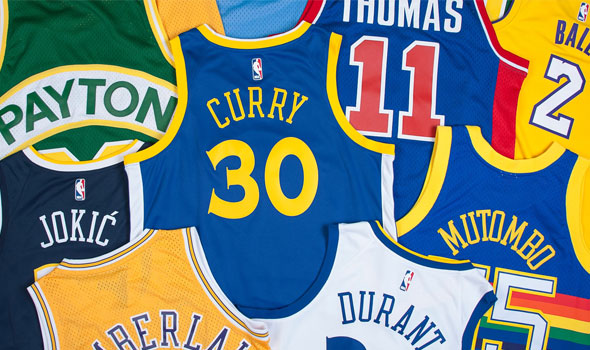
Image result for sports jerseys 
Opportunity
               I believe that the jersey and sports apparel industry has been severely under-served since its inception. There are many existing problems with the current market: 
  1. The professional leagues have their own websites that are the most popular shopping outlet for apparel. Unfortunately, the leagues recognize this and have set ludicrous prices on their gear, taking every last penny from loyal consumers.
  2. The second problem that many people run in to is the difficulty of selecting a jersey. The most common issues here are:
1.       Which player and team do I want to commit hundreds of dollars toward supporting?
2.       How do I know this player will still be on the team in the future? Is this a sound investment?
If your favorite player gets traded, retires, or gets injured the week after you bought his jersey, you are going to be pretty disappointed. Currently, distributors and manufacturers have offered no solution for this problem.
               My solution would cater to every class and group of people, but it would mainly target kids, teens, and young adults who are unable to afford jerseys that cost hundreds of dollars. This market is unmet around the world, but my proposal would begin focusing on North America, where gambling, fantasy sports, and general fandom is most popular. The consumers in my targeted market are unable to satisfy their needs without significant financial support, therefore they are also disloyal to the current outlets. This opportunity is potentially worth hundreds of millions of dollars, if not more. Unfortunately, the window of opportunity will be closing in the near future, as jersey-rental companies are beginning to grow. 
Innovation
               My proposed solution for this opportunity is a jersey-rental company called JerseyPro. Instead of purchasing jerseys outright for hundreds of dollars, allow members to subscribe to a monthly payment plan, at more affordable prices. I would estimate the base-package at around $10 to $15 per month. This price is comparable, if not cheaper than the $150 jerseys that the NFL sells.
               This idea would prioritize convenience and customer satisfaction. The factor that separates my idea from existing competition is allowing members to exchange jerseys whenever they want. The base subscription would give members two jerseys, to keep as long as they want. With quick, two-day shipping, we will get our gear in the hands of our members as quickly as possible. Members can send back their jerseys whenever they want in exchange for two new jerseys.  
               Additionally, other membership options are available including Family Plans, Flex Packages, and Student Plans.
Venture Concept
               This concept has no major risks for customers. We have eliminated the risk of investing in a player that changes teams or retires, rendering the jersey useless. We have eliminated the full-time risk of paying an arm and a leg for a jersey directly from the professional leagues. Another added factor is the customers who want to constantly have the most recent jerseys of new players, including rookies and superstars. Jerseys are a common fashion statement and are popular at parties and other social gatherings. This proposal would perfectly cater to those who need a jersey as quickly as possible and under budget.
               This business is defined by the price points, distribution, and the customer experience. Getting our jerseys in to the hands of the members is our most important responsibility, while maintaining a lower price than the greedy leagues can offer. This business would grow rapidly and would need at least 200 employees to effectively serve North America. Roles include Marketing, Sales, Customer Support, Inventory and Distribution.  
Three Minor Elements
1.       Our advantage over the competition is our knowledge of our consumers. This idea came to me as I was shopping for a jersey for myself, and was unsatisfied by the existing mode of shopping. I hated spending $150 for one jersey, only to see the player traded the next month. I was then stuck with a jersey that had little to no value. I wanted to be able to have access to any jersey I wanted, at all times. We have access to an essentially unlimited focus group, myself and my peers. Everyone I have talked to has voiced the same concerns and frustrations that I have. The professional leagues are only concerned with turning a profit and have not stopped to listen to their customers.
2.       The next step for this venture would be to acquire capital in order to begin building an inventory of jerseys. This will take a lot of pitching and intensive labor. Gathering finances to afford hundreds of thousands of jerseys will be difficult, and then storing and distributing jerseys on top of that will be a challenge in itself.
3.       In five years, I would want this venture to have direct partnerships with the professional leagues. As we will have hopefully dominated their sales with our streamlined service, partnering ourselves with the leagues will lower our inventory costs on jerseys, and multiply our distributing power exponentially. As an entrepreneur, I do not want to be invested in multiple ventures at once. I would much rather see one thing through until the end.  I truly think this venture has the potential to be big. 
 
Feedback:
I didn't receive any major feedback last time about things I need to change! Logan and April provided very encouraging feedback that makes me think I have covered all the basics. 
For this second attempt, I changed some of my opening remarks about the general vision of the business concept. Additionally, I added a few ideas about potential membership packages, as consumers may face different financial challenges.  

Reading Reflection #3

For this final Reading Exercise, I chose to read about the Wright Brothers, by David McCullough.

1.
  • What surprised me the most about the Wright brothers was how they managed to be successful despite their upbringing. They grew up in a house with no electricity or running water, yet they managed to become ingenious mechanics for their time. 
  • I most admired how the brothers complemented each other. Orville and Wilbur completed each other's tasks, and always made each other better people. They made one of the best teams I can think of. 
  • I did not appreciate how, according to the author, Wilbur only cared about the money and did not care about the innovation and overall success of the achievement. One person even told Wilbur: "I am afraid, my friend, that your usually sound judgment has been warped by the desire for great wealth."
  • The Wright brothers encountered a lot of adversity, most notably from other Americans. Their pursuit of flight was often made fun of and generally ignored in America. However, their achievement received a lot of recognition from France, as Wilbur Wright spent a lot of time studying in France. Once the Wright brothers became successful, most Americans gave in and acknowledged their accomplishments. 
2. I noticed the entrepreneurs were mostly successful because of their intelligence. The Wrights simply knew more about mechanics than anyone else around them, thus giving them an upper hand to understanding aerodynamics. 

3. I was confused by the sister's role in their achievement. The author made it sound like she deserved a lot of credit for her encouragement and presence, but I had never heard of her sister before this book, so I am skeptical.

4. My first question for the Wrights would be: How much influence did your time in France have on your inventions? My second question would be: What was the biggest obstacle for the two of you to achieve flight?

5. In my opinion, the Wright brothers enjoyed hard work and excelled in a stressful environment. They had their backs against the wall throughout the process, as nobody had ever attempted this daring innovation before. There may be a question about Wilbur's personal motivations, as the author discussed how he only cared about profits.

Monday, November 26, 2018

Your Exit Strategy

1. If my venture would turn out to become successful, I would sell my ownership stake if there was an offer that was good enough. By that reasoning, I would require an offer that would allow me to live comfortably for the rest of my life, or at least until the next work opportunity comes along.

2.  I have selected this exit strategy because I want to work as little as possible. If I could sell my idea for a sizeable amount of money, i would be in a position where I could get out of the business quickly. I am risk-averse and would not want to be involved in anything where I do not know my outcome in the future.

3. This exit strategy has probably influenced my attitude towards entrepreneurship. If I ever do have an idea that gains attention, I would absolutely get out as early as possible because I do not like to take risks. You never know when your idea will fail or change your life entirely. Therefore, I would get out, and quit while I'm ahead.

Celebrating Failure

1. Earlier this semester, I had a midterm exam that counted for a large portion of my final grade in another class. I had studied for several hours each day for the entire week leading up to it, and I felt very confident going into the test. I thought I crushed the test, and I felt very good leaving the exam as well. Unfortunately I did not do well on the exam, and it significantly affected my overall grade.

2. From this failure, I knew I had to recover as quickly as possible, performing well on the following assignments to make up the ground I lost. Since then, I have done everything to raise my grade, and have steadily recovered. I learned that failure isn't permanent, and that it isn't the end of the world. There's no reason to give up after one roadblock.

3. Failure hurts. It can be a major setback on any plans you have. I tend to handle failure by avoiding any fallout from the failure, and moving on to the next step. This is probably unhealthy because I do not spend time reflecting on what just happened. This class has not changed how I view Failure in any major ways, although it was interesting to learn how entrepreneurs handle failure in different ways.

Monday, November 12, 2018

What's Next?

Existing Market
  1. The next step in terms of products and services is gathering an inventory of jerseys. It is necessary to have an inventory large enough to satisfy our members. 
  2.  Mark told me that he thinks customers would want more than two jerseys at once. I responded that we could potentially expand to offer more membership packages. Mark agreed that I would need to build up a massive inventory. I then spoke to Steve. Steve said that he would want the memberships to be cheaper, potentially around $10 per month. I told Steve that cost is one of our top priorities. The last person I spoke to is John. John's biggest concern was getting investors and funding this idea. I told John that we would need a lot of financial backing to get this idea off the ground, and that the first few years would be an uphill battle. Mark, Steve, and John are all in college and fit my target market.  
  3. In terms of growing our existing market, establishing a social media presence will be vital in the immediate future. Since the target is males aged 10-30, this group is most often using their phones. I would launch campaigns on social media, run advertising during sporting events on TV, and emphasize the growing popularity of the company. 
          Next, I would focus on gathering as many investors as possible. For this idea to flourish, we would need significant financial support to build a website, distributing centers, and inventory. I believe that the venture is promising enough to attract some Venture Capitalists and other investment groups.

New Market
  1. Instead of targeting a low income market, I will try targeting an affluent population. 
  2. I think my jersey-rental idea still applies to the wealthy. Everyone, no matter what class, loves sports. Although they may be sitting in the owners' box instead of the balcony, everybody is still watching the same game. One thing that generally classifies all affluent people is that they are smart about saving money, very frugal people. This is obviously a cheaper option than purchasing a jersey, so it seems like a winning situation for everyone involved, regardless of social and economic status. 
  3. Bryan is a student who comes from a family that falls within this new target. Bryan told me that he would want something that is unique, something that separates him from any ordinary fan. With that in mind, we discussed potential unique jerseys that are limited to a certain level of membership. I then spoke to Alex. Alex is in a similar situation to Bryan. Alex is 30 years old and comfortable financially. Alex recommended a higher level of membership that would allow him to have more than two jerseys at a time. These suggestions are easily feasible for the company. 
  4. The biggest thing I noticed from this exercise is the new market's preferences. Despite still being within the same age group as my original target population, the new market said they did not wear jerseys unless attending a sporting event in-person. Now, this could be a lack of a sample size with only two people interviewed, but it could also be a sign of a stagnant or discouraging market to target for my idea. 
          While this information surprised me, I also learned that this new group would be willing to spend more for better service. Having separate membership tiers would help classify different markets based on what they can afford to spend. With this in mind, the new market does not appear nearly as attractive as the existing market, based on their demand for jerseys and the potential of alienating certain economic classes.

Venture Concept 1


Opportunity
               I believe that the jersey and sports apparel industry has been severely under-served since its inception. There are many existing problems with the current market: The professional leagues have their own websites that are the most popular shopping outlet for apparel. Unfortunately, the leagues recognize this and have set ludicrous prices on their gear, taking every last penny from loyal consumers.
               The second problem that many people run in to is the difficulty of selecting a jersey. The most common issues here are:
1.       Which player and team do I want to commit hundreds of dollars toward supporting?
2.       How do I know this player will still be on the team in the future? Is this a sound investment?
If your favorite player gets traded, retires, or gets injured the week after you bought his jersey, you are going to be pretty disappointed. Currently, distributors and manufacturers have offered no solution for this problem.
               My solution would cater to every class and group of people, but it would mainly target kids, teens, and young adults who are unable to afford jerseys that cost hundreds of dollars. This market is unmet around the world, but my proposal would begin focusing on North America, where gambling, fantasy sports, and general fandom is most popular. The consumers in my targeted market are unable to satisfy their needs without significant financial support, therefore they are also disloyal to the current outlets. This opportunity is potentially worth hundreds of millions of dollars, if not more. Unfortunately, the window of opportunity will be closing in the near future, as jersey-rental companies are beginning to grow. 

Innovation
               My proposed solution for this opportunity is a jersey-rental company called JerseyPro. Instead of purchasing jerseys outright for hundreds of dollars, allow members to subscribe to a monthly payment plan, at more affordable prices. I would estimate the base-package at around $10 to $15 per month. This price is comparable, if not cheaper than the $150 jerseys that the NFL sells.
               This idea would prioritize convenience and customer satisfaction. The factor that separates my idea from existing competition is allowing members to exchange jerseys whenever they want. The base subscription would give members two jerseys, to keep as long as they want. With quick, two-day shipping, we will get our gear in the hands of our members as quickly as possible. Members can send back their jerseys whenever they want in exchange for two new jerseys.  

Venture Concept
               This concept has no major risks for customers. We have eliminated the risk of investing in a player that changes teams or retires, rendering the jersey useless. We have eliminated the full-time risk of paying an arm and a leg for a jersey directly from the professional leagues. Another added factor is the customers who want to constantly have the most recent jerseys of new players, including rookies and superstars. Jerseys are a common fashion statement and are popular at parties and other social gatherings. This proposal would perfectly cater to those who need a jersey as quickly as possible and under budget.
               This business is defined by the price points, distribution, and the customer experience. Getting our jerseys in to the hands of the members is our most important responsibility, while maintaining a lower price than the greedy leagues can offer. This business would grow rapidly and would need at least 200 employees to effectively serve North America. Roles include Marketing, Sales, Customer Support, Inventory and Distribution.  

Three Minor Elements
1.       Our advantage over the competition is our knowledge of our consumers. This idea came to me as I was shopping for a jersey for myself, and was unsatisfied by the existing mode of shopping. I hated spending $150 for one jersey, only to see the player traded the next month. I was then stuck with a jersey that had little to no value. I wanted to be able to have access to any jersey I wanted, at all times. We have access to an essentially unlimited focus group, myself and my peers. Everyone I have talked to has voiced the same concerns and frustrations that I have. The professional leagues are only concerned with turning a profit and have not stopped to listen to their customers.
2.       The next step for this venture would be to acquire capital in order to begin building an inventory of jerseys. This will take a lot of pitching and intensive labor. Gathering finances to afford hundreds of thousands of jerseys will be difficult, and then storing and distributing jerseys on top of that will be a challenge in itself.
3.       In five years, I would want this venture to have direct partnerships with the professional leagues. As we will have hopefully dominated their sales with our streamlined service, partnering ourselves with the leagues will lower our inventory costs on jerseys, and multiply our distributing power exponentially. As an entrepreneur, I do not want to be invested in multiple ventures at once. I would much rather see one thing through until the end.  I truly think this venture has the potential to be big.